
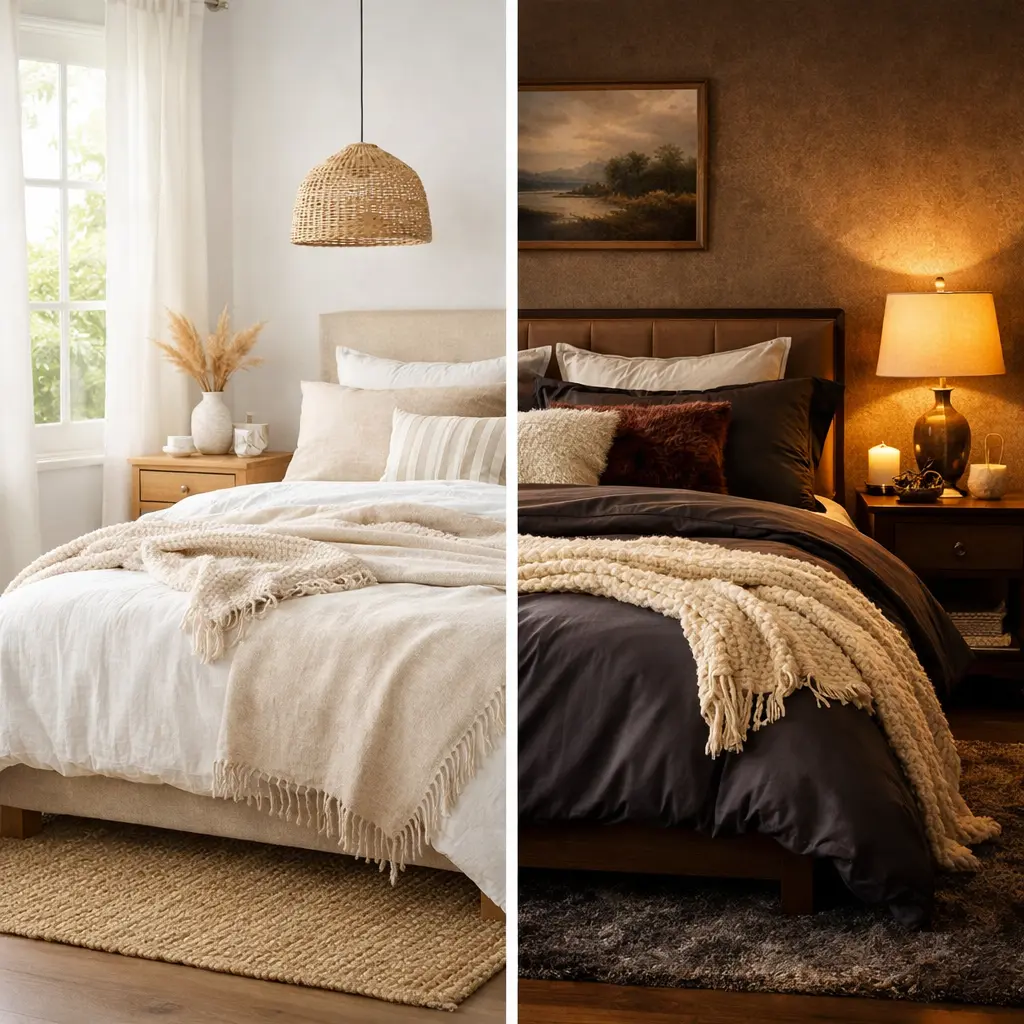
Choosing the right duvet cover material is a strategic decision that directly impacts sleep quality, durability, and long-term value. The ideal fabric should balance breathability, moisture management, insulation, and maintenance efficiency—while aligning with seasonal performance requirements.
This guide outlines the best duvet cover materials for all seasons, helping you make an informed, performance-driven choice.
- 1. Cotton: The All-Season Benchmark
- 2. Linen: Superior Temperature Regulation
- 3. Bamboo Viscose: Moisture Control & Softness
- 4. Tencel™ (Lyocell): Advanced Fiber Technology
- 5. Silk: Luxury Climate Control
- 6. Microfiber: Cost-Efficient & Low Maintenance
- Seasonal Strategy: Matching Material to Climate
- Final Recommendation
1. Cotton: The All-Season Benchmark
Cotton remains the industry standard for year-round bedding due to its versatility and natural performance attributes.
Why It Works
- Excellent breathability
- Strong moisture absorption
- Soft hand feel
- Durable and easy to maintain
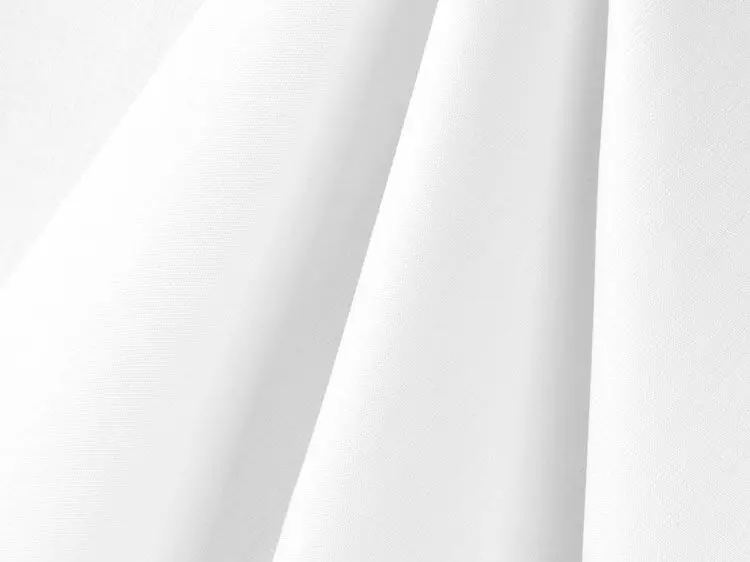
High-quality long-staple cotton, such as that used in luxury hotel bedding, offers enhanced smoothness and longevity. Percale weaves deliver a crisp, cooling effect ideal for warm climates, while sateen weaves provide a slightly heavier, warmer feel for cooler months.
Best For
- Moderate climates
- Hot sleepers
- Hospitality-grade durability requirements
From a lifecycle cost perspective, cotton offers strong ROI due to its balance of comfort and resilience.
2. Linen: Superior Temperature Regulation
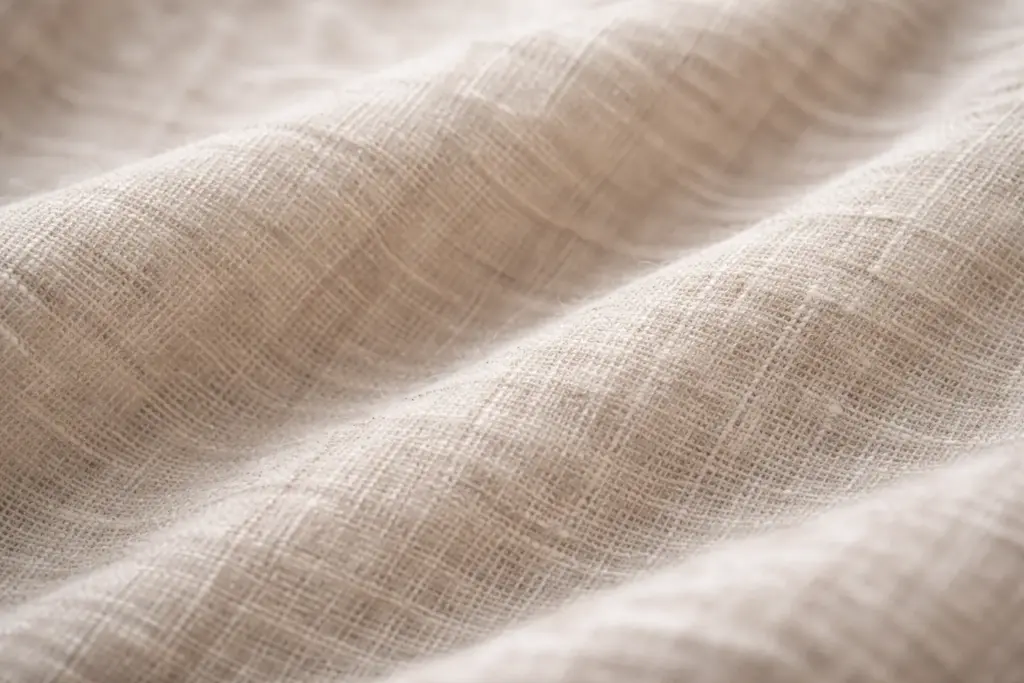
Linen, derived from flax fibers, is engineered by nature for exceptional airflow and moisture evaporation.
Performance Advantages
- Highly breathable structure
- Quick-drying properties
- Natural thermoregulation
- Increased softness over time
Linen excels in summer due to its cooling capacity, yet its fiber structure also traps warmth in winter, making it adaptable across seasons.
Best For
- Warm or humid environments
- Consumers prioritizing sustainability
- Casual, textured aesthetic preferences
Although initial investment is higher, linen’s durability and long-term comfort profile justify the premium positioning.
3. Bamboo Viscose: Moisture Control & Softness
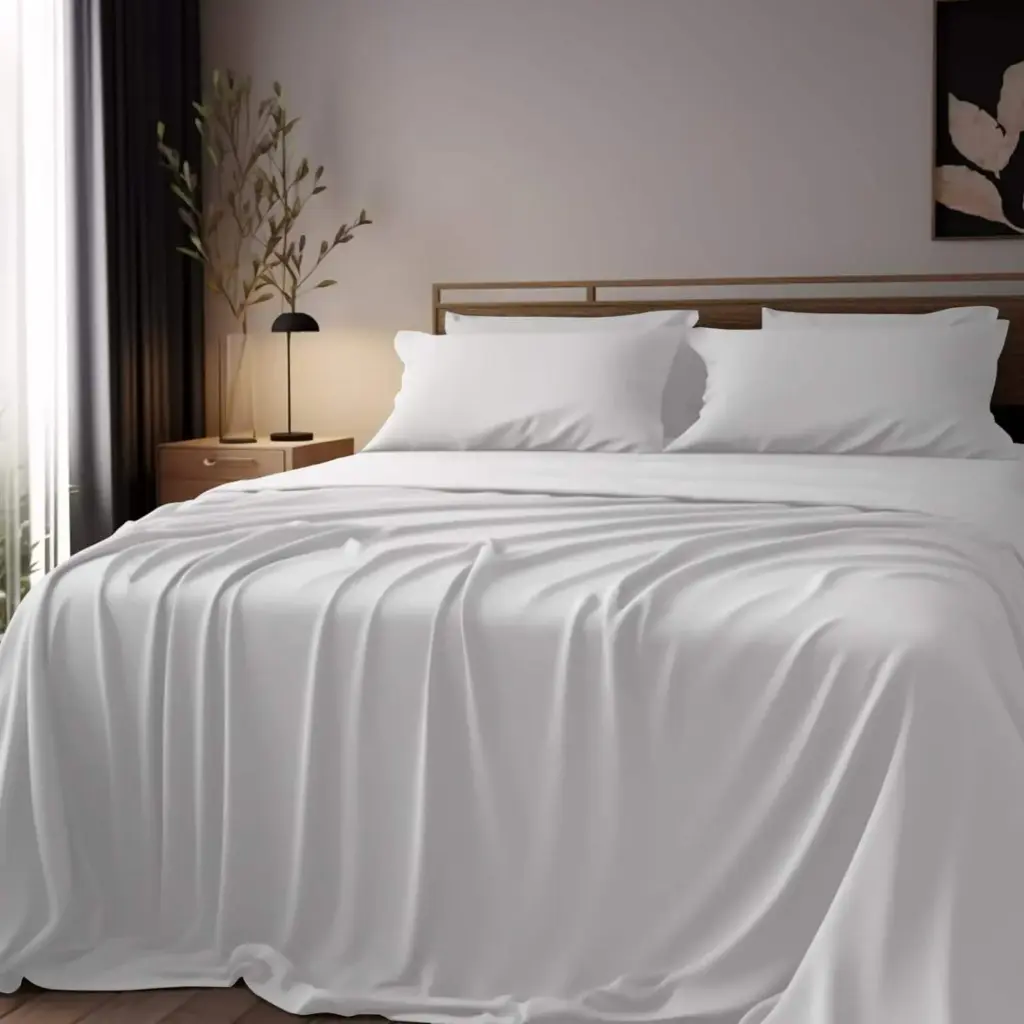
Bamboo-derived fabrics have gained market traction due to their silky texture and moisture-wicking properties.
Strategic Benefits
- Naturally breathable
- Strong moisture management
- Hypoallergenic qualities
- Soft, drapable finish
Bamboo duvet covers perform well in transitional seasons and for sleepers prone to overheating.
Best For
- Sensitive skin
- High-humidity regions
- Contemporary bedding collections
Buyers should evaluate fiber processing methods to ensure environmental compliance and quality consistency.
4. Tencel™ (Lyocell): Advanced Fiber Technology
Tencel is a branded lyocell fiber known for its eco-conscious production process and high-performance comfort characteristics.
Competitive Edge
- Exceptional moisture absorption
- Smooth surface reduces friction
- Thermal adaptability
- Sustainable manufacturing process
Tencel duvet covers regulate temperature efficiently, keeping sleepers cool in summer and comfortably warm in winter.
Best For
- Eco-focused consumers
- Premium bedding collections
- Luxury hospitality applications
From a positioning standpoint, Tencel supports premium brand narratives centered on sustainability and innovation.
5. Silk: Luxury Climate Control
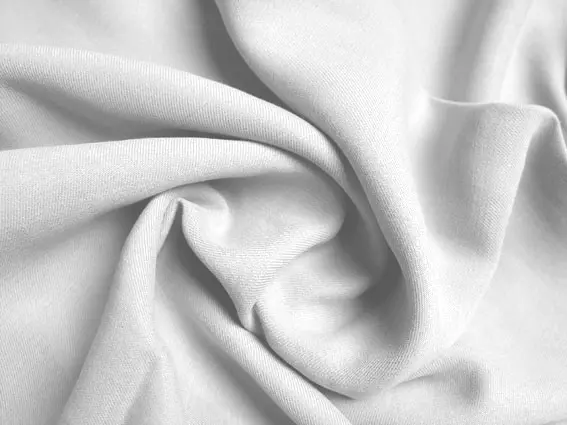
Silk offers natural thermoregulation combined with a refined aesthetic.
Performance Characteristics
- Lightweight insulation
- Naturally hypoallergenic
- Smooth, cooling touch
- Elegant visual appeal
While silk adapts well to temperature fluctuations, it requires more specialized care and carries higher procurement costs.
Best For
- Luxury residential markets
- Boutique hospitality
- High-end seasonal collections
Silk is best positioned as a niche premium offering rather than a mass-market solution.
6. Microfiber: Cost-Efficient & Low Maintenance
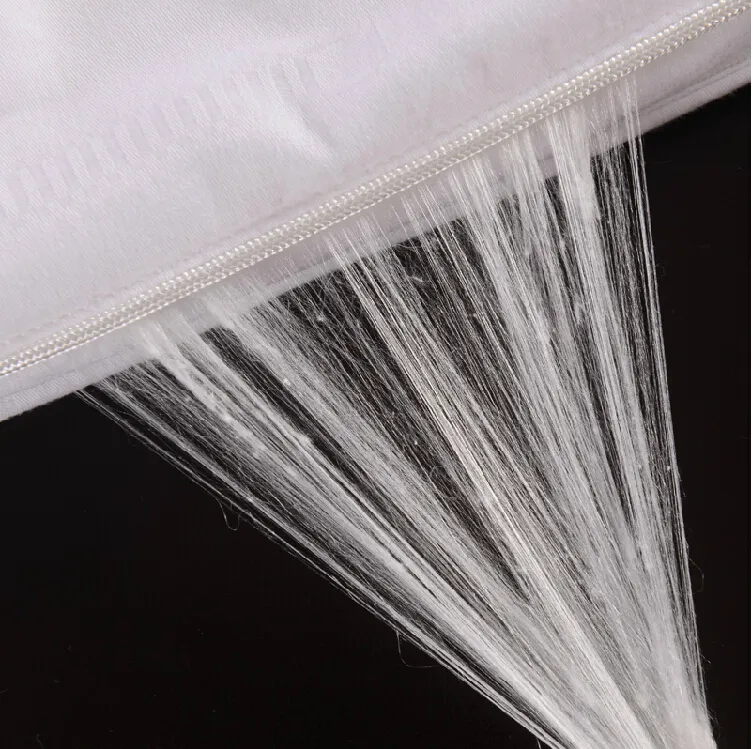
Microfiber, typically made from finely woven polyester, offers affordability and easy care.
Advantages
- Wrinkle resistance
- Quick drying
- Budget-friendly pricing
- Durable under frequent washing
However, microfiber has lower breathability compared to natural fibers, making it less ideal for hot climates.
Best For
- Budget-conscious consumers
- Guest rooms
- High-turnover environments
It performs adequately across seasons but may lack the natural thermoregulation of cotton or linen.
Seasonal Strategy: Matching Material to Climate
For optimal all-season performance:
- Hot climates: Linen, Tencel, or percale cotton
- Cold climates: Sateen cotton or silk
- Humid regions: Bamboo viscose or Tencel
- Balanced four-season environments: High-quality cotton or Tencel
The most scalable solution for universal year-round comfort remains premium cotton or advanced lyocell fibers, given their adaptability and operational efficiency.
Final Recommendation
When selecting the best duvet cover material for all seasons, prioritize:
- Breathability and moisture control
- Durability and wash performance
- Skin compatibility
- Climate adaptability
- Long-term value
Cotton continues to dominate as the most versatile and commercially viable solution. However, linen and Tencel are rapidly gaining share in premium and sustainability-driven segments.
A well-informed material strategy not only enhances sleep experience but also strengthens product differentiation in competitive bedding markets.
 English
  Deutsch
  Español
  Français
  Português
  日本語
日本語  한국어
한국어  العربية
Leave a Reply