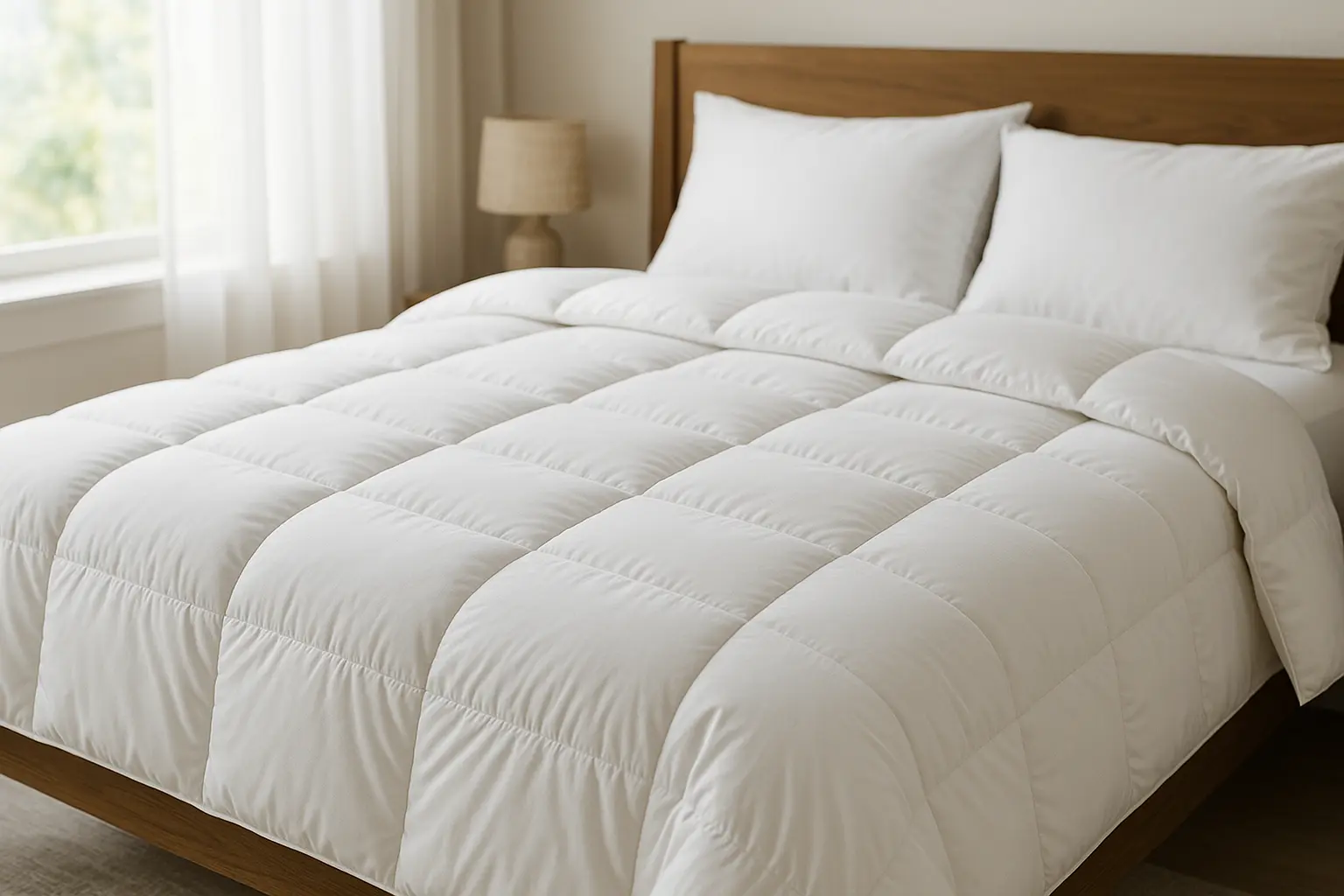
In the world of bedding, comfort and performance often come at a tradeoff—especially when choosing between natural down and synthetic alternatives. For consumers who want softness without allergens, or for hospitality brands seeking a cruelty-free, easy-care option, down alternative has emerged as the go-to solution.
But what exactly is down alternative, and why is it gaining popularity?
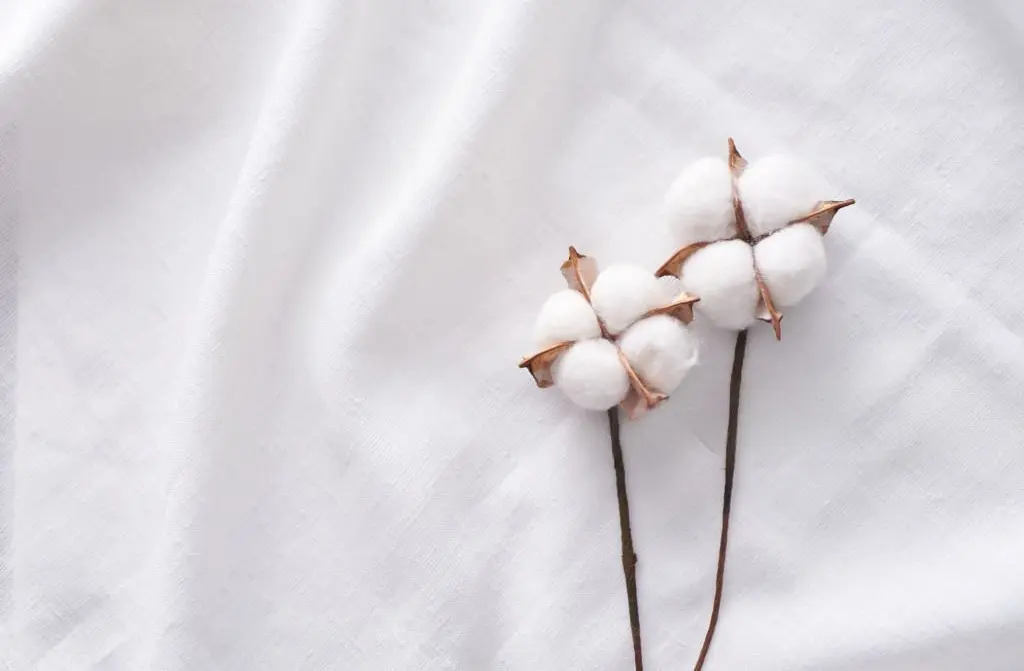
If you’ve ever bought two sets of 100% cotton bed sheets and noticed that one feels luxuriously soft while the other feels stiff or coarse, you’re not alone. While both claim to be “100% cotton,” softness can vary significantly depending on several key factors. In this article, we’ll break down the reasons behind the differences in softness and what you should look for when shopping for cotton sheets.
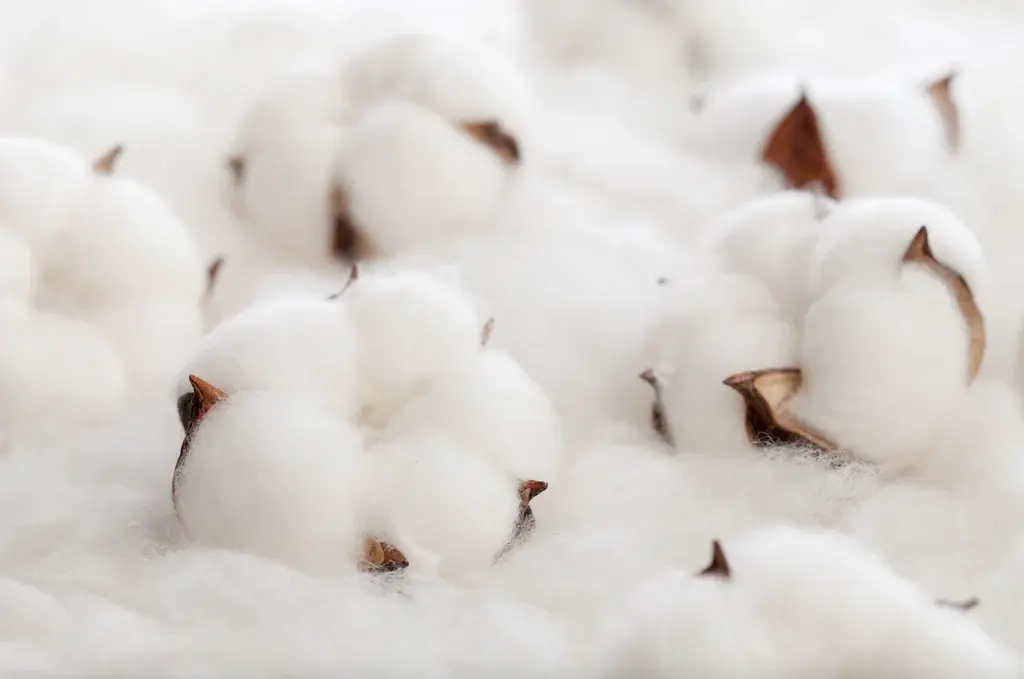
Sheets made from long-staple cotton are noticeably smoother and softer to the touch.
2. Weave Type
The weaving pattern plays a huge role in the feel of cotton sheets.
Percale Weave: A plain weave with a matte finish and a cool, crisp feel.
Sateen Weave: A satin-like weave with a silky smooth finish and more sheen. Sateen sheets usually feel softer out of the box.
If you prefer buttery-soft sheets, go for sateen. For hotel-like crispness, choose percale.
3. Thread Count
Thread count refers to the number of threads woven per square inch. But higher isn’t always better.
200–400 TC: Ideal range for breathability and softness.
Above 400 TC: Can be softer but sometimes achieved by using multi-ply threads, which may feel heavier or trap heat.
Quality matters more than just thread count. A 300 TC long-staple cotton sheet can be much softer than a 600 TC short-staple one.
4. Yarn and Finishing Process
Even with the same cotton and weave, finishing techniques affect softness:
Combed Cotton: Short fibers are removed, leaving smoother, softer yarn.
Mercerization: A chemical process that adds luster and improves dye retention and softness.
Enzyme-Washed / Stone-Washed Cotton: Pre-washing processes used to break in the fabric for extra softness.
Sheets labeled “pre-washed,” “enzyme-washed,” or “combed cotton” are typically softer right out of the package.
5. Fabric Weight (GSM)
Grams per square meter (GSM) is more common in towels, but it can also be used in bedding to describe thickness and density.
Lightweight (100–140 GSM): Airy, crisp feel.
Medium (140–170 GSM): Balanced feel, soft and breathable.
Heavy (170+ GSM): Thicker, warmer, and often softer if high-quality yarn is used.
A higher GSM doesn’t always mean better, but a medium GSM with high-quality yarn usually feels great.
Conclusion: What Makes Cotton Sheets Truly Soft?
To summarize, here are the main reasons why some 100% cotton sheets feel softer than others:
Factor
Better for Softness?
Fiber Type
Long-staple cotton (e.g., Egyptian, Pima)
Weave
Sateen (silky), Percale (crisp but softens over time)
Thread Count
Ideal between 200–400 with single-ply yarn
Finishing
Combed, enzyme-washed, or mercerized
GSM
Medium (140–170 GSM) for softness + breathability
So next time you shop for cotton bed sheets, don’t be swayed by the “100% cotton” label alone. Look deeper into the fabric specs and finishing processes to choose sheets that truly offer the softness you crave.
Egyptian cotton refers to a specific type of cotton grown in Egypt’s Nile River Valley, known for producing extra-long staple (ELS) fibers. These fibers are longer, finer, and stronger than regular cotton fibers, making Egyptian cotton highly prized in luxury bedding and textiles.
Staple length is the length of the individual cotton fibers.
Egyptian cotton fibers are typically over 1.5 inches (38mm) long.
Longer fibers mean fewer joins in the yarn, resulting in smoother, stronger, and softer fabrics.
2. Superior Softness
The smooth yarns create a silky, luxurious feel.
Sheets made from 100% Egyptian cotton become even softer with each wash.
3. Durability
Egyptian cotton is more resistant to pilling and tearing.
Properly made Egyptian cotton sheets can last for many years.
4. Breathability and Absorbency
The fabric is naturally breathable, helping regulate body temperature.
It also absorbs moisture well, adding to comfort during sleep.
5. Grown in Ideal Conditions
Egypt’s climate and rich soil allow cotton plants to thrive and produce high-quality fibers.
Most Egyptian cotton is handpicked, which preserves fiber length and purity.
Egyptian Cotton vs Regular Cotton
Feature
Egyptian Cotton
Regular Cotton
Fiber Length
Extra-long staple
Short or medium staple
Texture
Silky smooth
Coarser feel
Durability
High
Moderate
Cost
Premium
More affordable
Country of Origin
Egypt
Various (e.g. India, China, USA)
A Note of Caution
Not all sheets labeled “Egyptian cotton” are 100% genuine. Some manufacturers blend Egyptian cotton with other cotton types but still use the name for marketing. To ensure quality:
Look for labels like “100% Certified Egyptian Cotton.”
Check for certification from the Cotton Egypt Association (CEA).
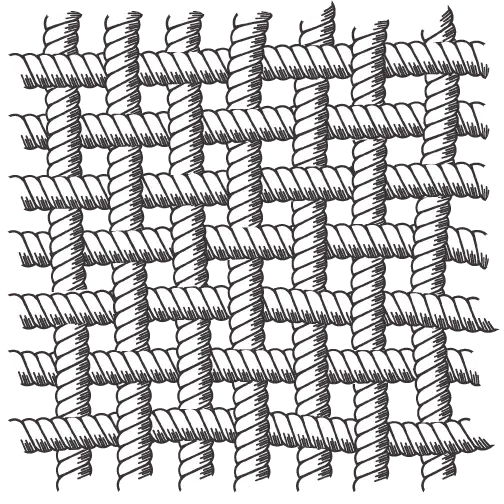
Percale cotton refers to a specific type of woven fabric known for its smooth, matte finish and crisp texture. Unlike satin or flannel weaves, percale uses a one-yarn-over, one-yarn-under plain weave, giving it a cool, breathable feel that’s ideal for luxury bedding, especially in warm climates or for hot sleepers.
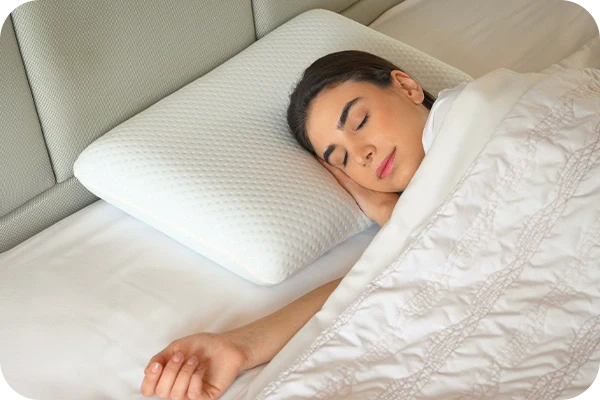
Gel-infused memory foam is an advanced material that enhances traditional memory foam by incorporating cooling gel beads or liquid gel particles. Designed to improve temperature regulation and airflow, this innovative foam delivers contouring comfort while reducing heat retention — a common drawback of conventional memory foam.
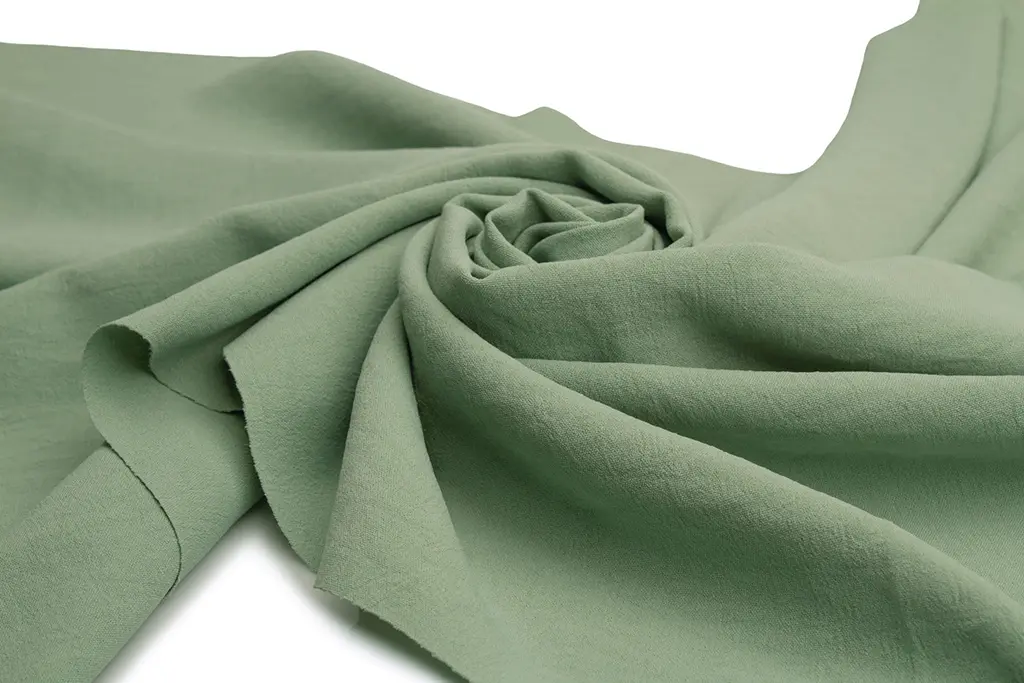
Crepe fabric is a lightweight to medium-weight textile known for its uniquely crinkled or pebbled surface. Elegant in appearance and soft in drape, crepe is widely used in both fashion design and interior textiles. Its distinct texture results from specialized weaving or chemical treatments, offering a refined look with excellent wearability.
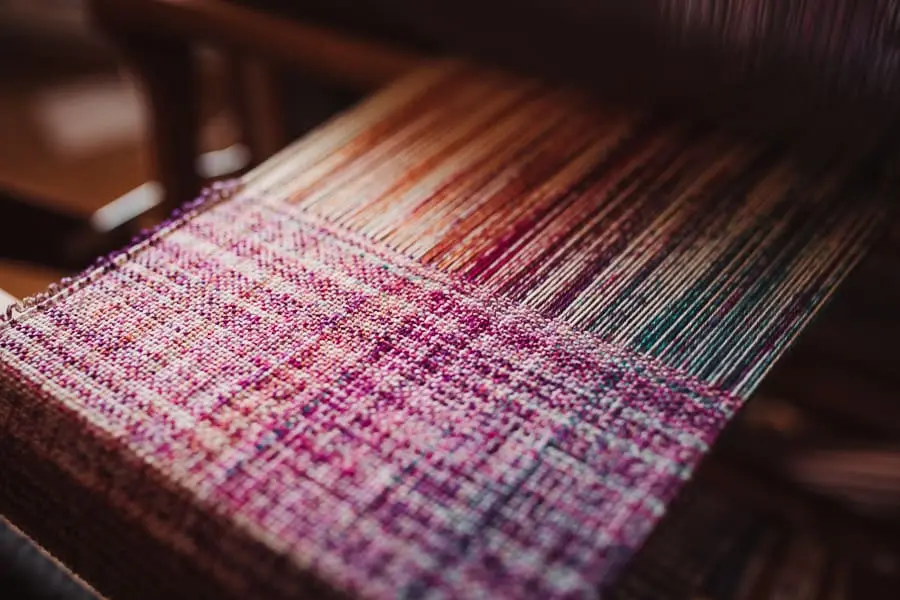
Woven fabric is one of the most fundamental and widely used textile structures across industries—from fashion to home furnishings, automotive interiors to industrial filters. Recognized for its dimensional stability, versatility, and design flexibility, woven fabric plays a central role in the global textile supply chain.
In this article, we break down what woven fabric is, how it’s made, its key classifications, and where it’s used across commercial and consumer applications.
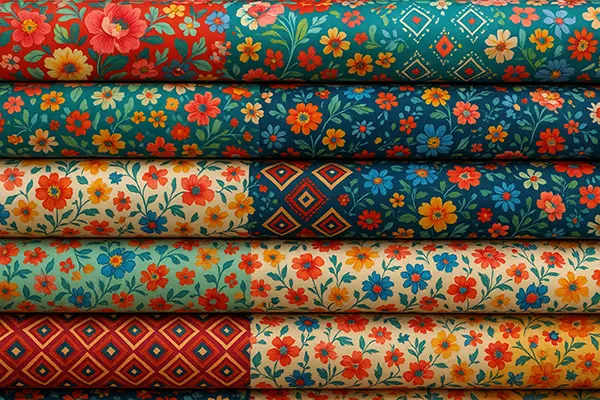
Cretonne is a medium-weight woven fabric known for its durability, vibrant prints, and versatility in home décor and interior textiles. Often used for curtains, upholstery, cushions, and bedding accessories, cretonne combines function and form—making it a staple material in both traditional and contemporary design schemes.
Among all natural fibers used in luxury textiles, mulberry silk stands out as the finest and most prized. Known for its unparalleled softness, strength, and natural sheen, mulberry silk is the preferred choice in premium bedding, apparel, and wellness textiles. But what exactly is mulberry silk—and what makes it different from other types of silk?
In the world of premium bedding and natural insulation, few materials rival the performance, rarity, and prestige of eiderdown. Collected from the nests of the wild eider duck, this extraordinary down is prized for its exceptional warmth, featherlight weight, and natural sustainability.
But what exactly is eiderdown—and why is it often referred to as the world’s most luxurious down?
To provide the best experiences, we use technologies like cookies to store and/or access device information. Consenting to these technologies will allow us to process data such as browsing behavior or unique IDs on this site. Not consenting or withdrawing consent, may adversely affect certain features and functions.
Functional
Always active
The technical storage or access is strictly necessary for the legitimate purpose of enabling the use of a specific service explicitly requested by the subscriber or user, or for the sole purpose of carrying out the transmission of a communication over an electronic communications network.
Preferences
The technical storage or access is necessary for the legitimate purpose of storing preferences that are not requested by the subscriber or user.
Statistics
The technical storage or access that is used exclusively for statistical purposes.The technical storage or access that is used exclusively for anonymous statistical purposes. Without a subpoena, voluntary compliance on the part of your Internet Service Provider, or additional records from a third party, information stored or retrieved for this purpose alone cannot usually be used to identify you.
Marketing
The technical storage or access is required to create user profiles to send advertising, or to track the user on a website or across several websites for similar marketing purposes.





 English
  Deutsch
  Español
  Français
  Português
  日本語
日本語  한국어
한국어  العربية