
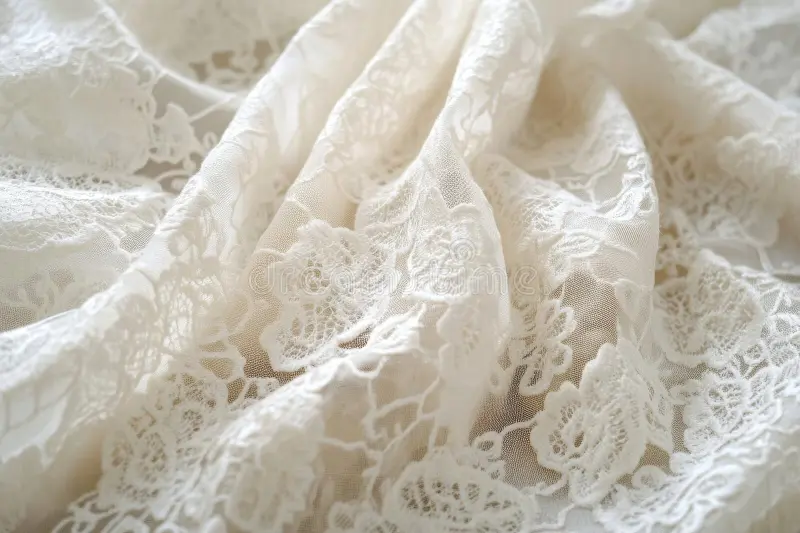
When it comes to elegant and sophisticated textiles, matelassé stands out as a timeless favorite. Frequently found in bedding, upholstery, and fashion, matelassé is loved for its luxurious feel, intricate patterns, and versatile style. But what exactly is matelassé, and why is it so highly regarded?
(more…)Category: Guide
-
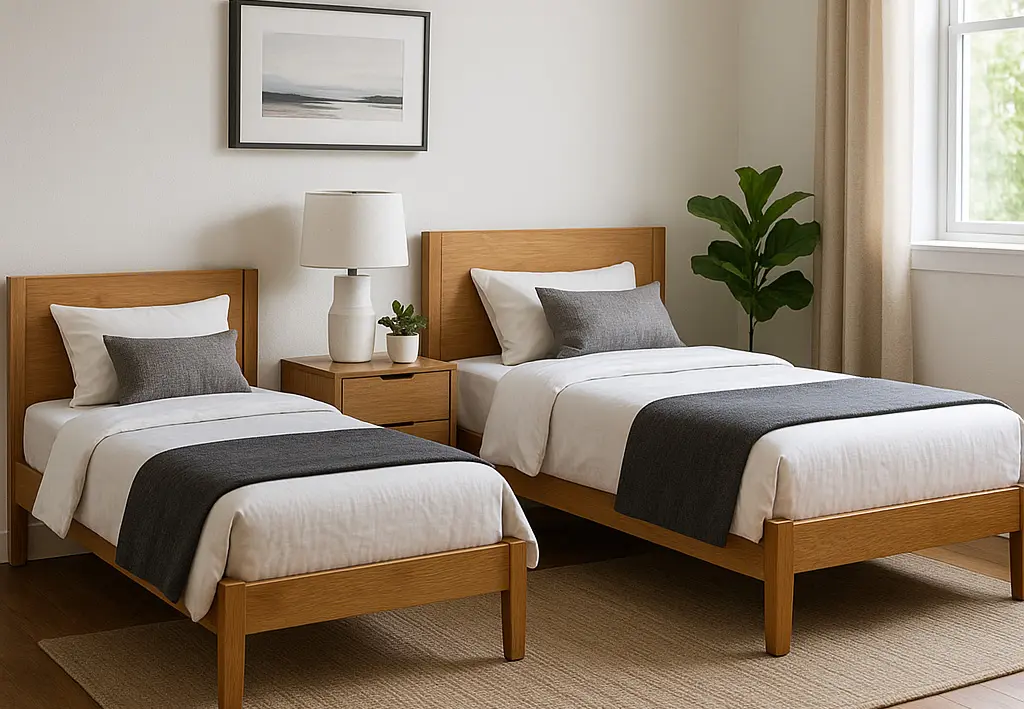
Do Twin XL Sheets Fit a Twin Bed? | A Complete Guide to Bed and Sheet Sizes
When shopping for bedding, choosing the correct sheet size is crucial for a snug, comfortable fit. One of the most common questions people ask is: “Do Twin XL sheets fit a Twin bed?” While these two sizes sound similar, they’re not quite the same—and the difference can affect how well your sheets fit.
Let’s break it down by comparing bed dimensions and sheet sizes so you know exactly what to buy.
Standard Mattress Sizes
Bed Size Mattress Dimensions (W x L) Twin 38″ x 75″ Twin XL 38″ x 80″ Full 54″ x 75″ Queen 60″ x 80″ King 76″ x 80″ Cal King 72″ x 84″ As you can see, Twin and Twin XL beds have the same width (38 inches), but the Twin XL is 5 inches longer than a standard Twin. This extra length makes a big difference when it comes to sheets.
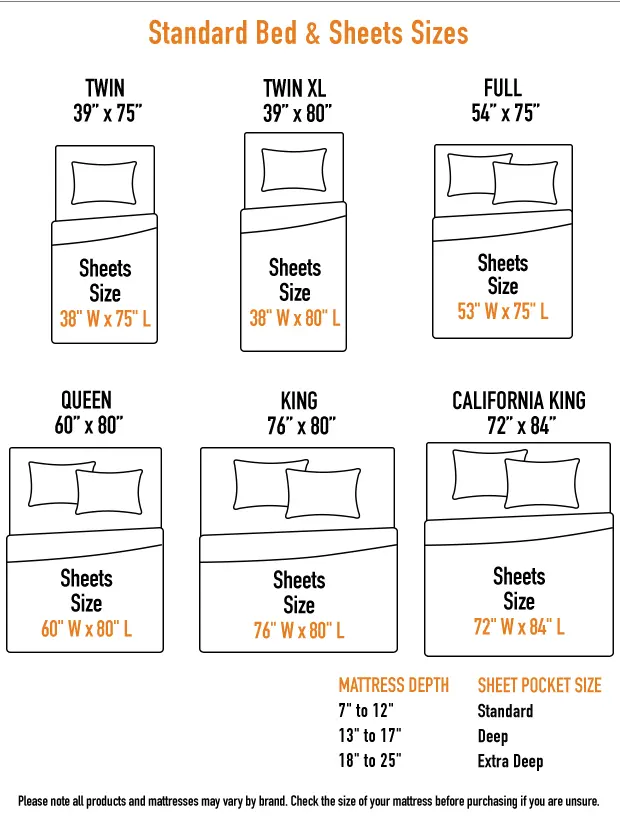
Do Twin XL Sheets Fit a Twin Mattress?
Not perfectly. While Twin XL sheets have the right width, they’re 5 inches too long for a standard Twin mattress. This means:
- Fitted Sheets: A Twin XL fitted sheet will be too loose at the foot of a Twin mattress and may bunch up or wrinkle.
- Flat Sheets: A Twin XL flat sheet will hang lower or longer at the end of a Twin bed, but this is usually less of an issue.
- Sheet Sets: If you’re buying a Twin XL sheet set, the fitted sheet likely won’t fit your Twin mattress snugly.
Conclusion:
If you have a Twin bed, stick with Twin-size sheets—especially for fitted sheets. The extra length of a Twin XL sheet won’t lay smoothly and could cause discomfort.
Tip: How to Tell If You Have a Twin or Twin XL Bed
If you’re unsure which size your mattress is, just measure the length:
- 75 inches long? You have a Twin.
- 80 inches long? You have a Twin XL.
Always check before purchasing new bedding.
Final Recommendations
- Use Twin sheets for Twin beds.
- Use Twin XL sheets only for Twin XL beds—commonly found in college dorms or for tall sleepers.
- Don’t try to swap the two sizes, especially for fitted sheets, unless you’re okay with a poor fit.
Need help picking the right bedding for your mattress? Leave a comment or question—we’re here to help make your bed as comfortable as possible.
-

Understanding Textile Dermatitis: What It Is and How to Choose the Right Bedding
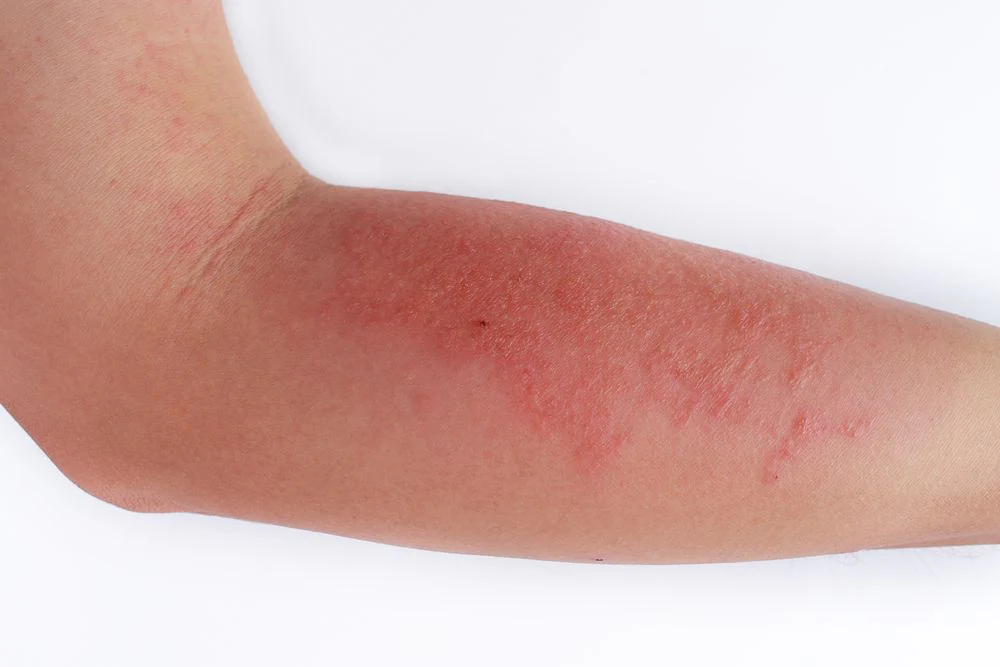
If you’ve ever experienced itching, redness, or a rash after contact with certain fabrics, you might be dealing with textile dermatitis. This skin reaction is a type of contact dermatitis caused by irritation or allergy to materials used in clothing or bedding.
As a bedding manufacturer, we believe comfort should never come at the cost of skin health. That’s why we want to help you understand textile dermatitis and how to choose the right bedding materials.
What Is Textile Dermatitis?
Textile dermatitis is a skin condition triggered by contact with certain fabrics or the chemicals used to treat them. It usually appears as a red, itchy rash and may include swelling or dry patches.
There are two main causes:
- Irritant Contact Dermatitis – caused by rough or synthetic fabrics that rub or irritate the skin.
- Allergic Contact Dermatitis – caused by a reaction to chemicals such as dyes, resins, or finishing agents used in fabric processing.
Materials to Avoid for Sensitive Skin
If you or someone in your family has sensitive skin or textile dermatitis, here are some materials and treatments to be cautious with:
- Polyester and other synthetic fabrics – These can trap heat and moisture, leading to irritation.
- Wool – While natural, wool fibers can be scratchy and abrasive to sensitive skin.
- Heavily dyed or chemically treated fabrics – Some dyes, flame retardants, and wrinkle-resistant treatments may contain formaldehyde or other allergens.
- Fabric blends with latex or spandex – Can cause allergic reactions in latex-sensitive individuals.

Wool Best Bedding Materials for Sensitive Skin
For those with textile dermatitis or sensitive skin, opt for the following materials:
- 100% Cotton (preferably organic) – Soft, breathable, and naturally hypoallergenic. Organic cotton is grown without harmful chemicals and is gentler on the skin.
- Washed Cotton or Garment-Washed Cotton – Pre-washed cotton is softer and less likely to irritate the skin. It also removes any leftover residues from the manufacturing process.
- Bamboo Viscose (Oeko-Tex certified) – Naturally antibacterial and moisture-wicking. Look for certification to ensure no harmful substances are used.
- Linen – Made from flax, it’s breathable and gets softer with each wash. Great for summer and people with eczema.
- TENCEL™ Lyocell – A silky, breathable, and eco-friendly fabric derived from wood pulp. It’s often recommended for people with skin sensitivities.
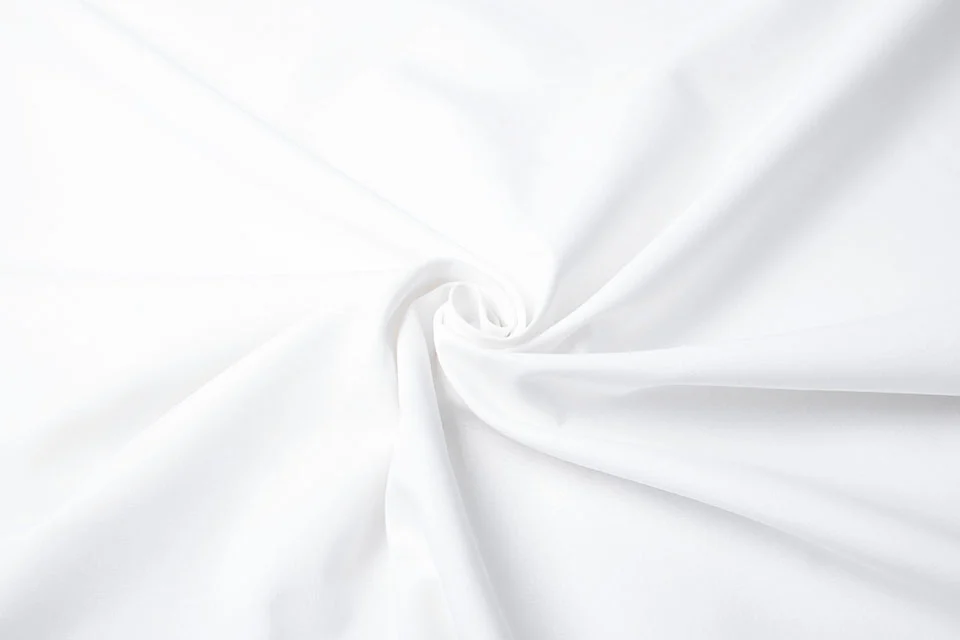
100% cotton Tips for Choosing Bedding for Sensitive Skin
- Always wash new bedding before use to remove any leftover processing chemicals.
- Use fragrance-free and dye-free detergents when laundering bedding.
- Avoid fabric softeners or dryer sheets that may leave irritating residues.
- Look for Oeko-Tex® Standard 100 certification, which ensures the textile is tested for harmful substances.
Final Thoughts
Sensitive skin deserves special care, and your bedding plays a big part in skin health. By choosing the right materials, you can enjoy both comfort and peace of mind. At Yintex, we offer a range of skin-friendly bedding options made with high-quality, gentle fabrics that your skin will love.
If you have any questions about our bedding materials or need help choosing the right product for sensitive skin, feel free to contact us!
-

Lodge Style Bedding: Bring Cozy Cabin Comfort to Your Bedroom
Dreaming of a mountain retreat or a cozy lakeside cabin? With lodge style bedding, you can bring the warmth and rustic charm of the outdoors right into your home—no matter where you live. Let’s explore what makes lodge style bedding unique, how to choose the right pieces, and tips for creating your own inviting retreat.
(more…) -
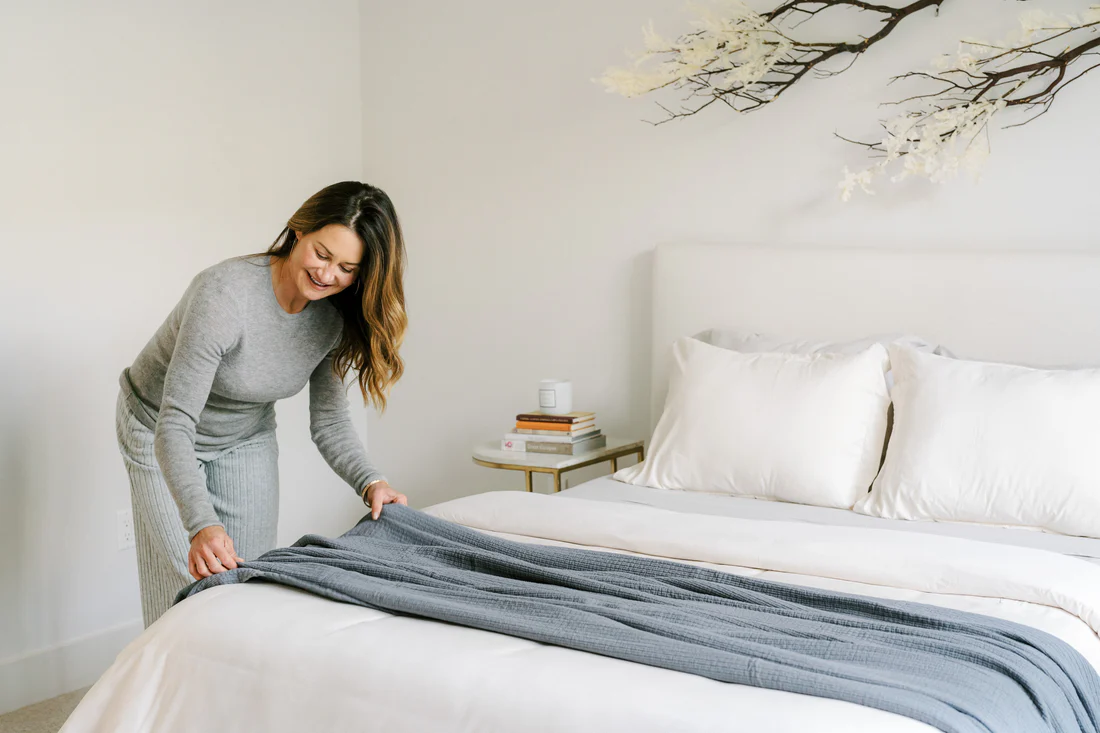
Quilt Sizes Explained: Choosing the Perfect Fit for Your Bed
When shopping for quilts, choosing the right size is essential for both comfort and aesthetics. A quilt that’s too small won’t provide adequate coverage, while one that’s too large can overwhelm your bed and décor. Understanding standard quilt sizes can help you find the perfect fit for your bedroom.
(more…) -
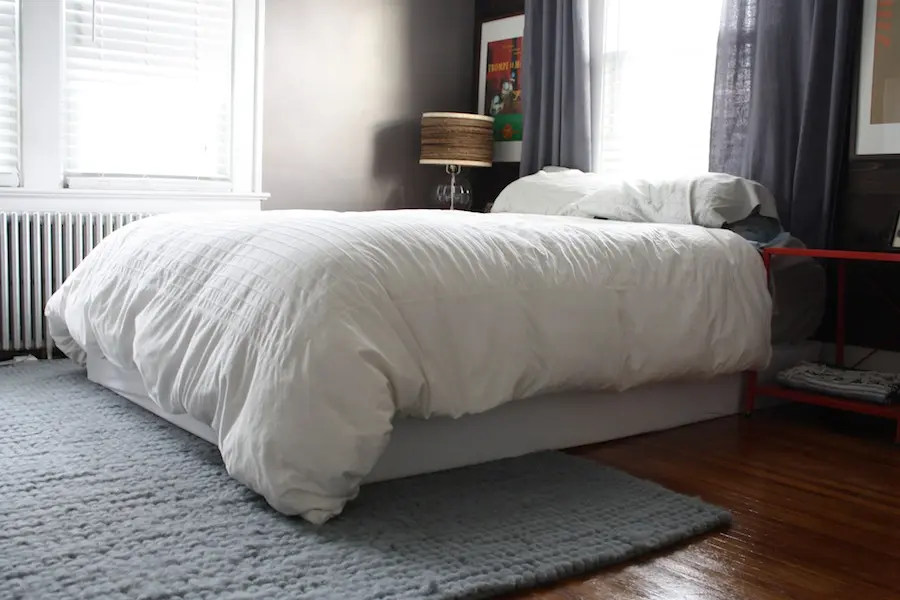
What Is a Box Spring Cover? Enhancing Your Bedroom’s Style and Protection
When designing your ideal bedroom, attention to detail makes all the difference. One often-overlooked item that can significantly enhance your bedroom’s appearance and functionality is a box spring cover. But what exactly is a box spring cover, and why might you need one?
(more…) -

What Is a Coverlet? Understanding This Versatile Bedding Essential
When it comes to bedding, the options can sometimes feel overwhelming. From comforters and quilts to duvets and coverlets, each has its own unique purpose and style. Among these, the coverlet stands out as a versatile, stylish, and practical bedding choice. But what exactly is a coverlet, and how can it enhance your bedroom décor?
(more…) -
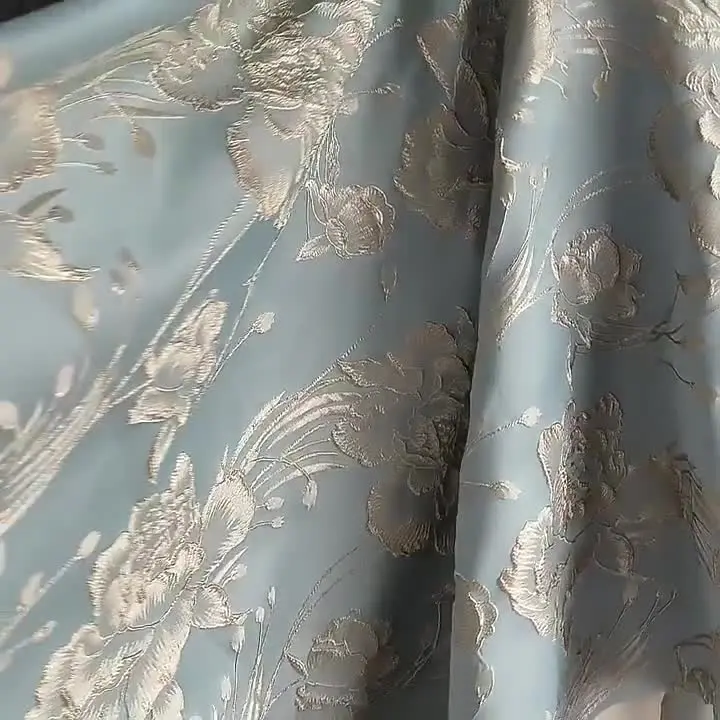
What is Jacquard Fabric? An Introduction to a Timeless Textile
When you’re shopping for luxurious bedding, elegant drapery, or stylish apparel, you might come across the term jacquard fabric. But what exactly is jacquard, and why is it so highly regarded in the world of textiles? Let’s take a closer look at this fascinating fabric, its history, and its unique qualities.
(more…) -
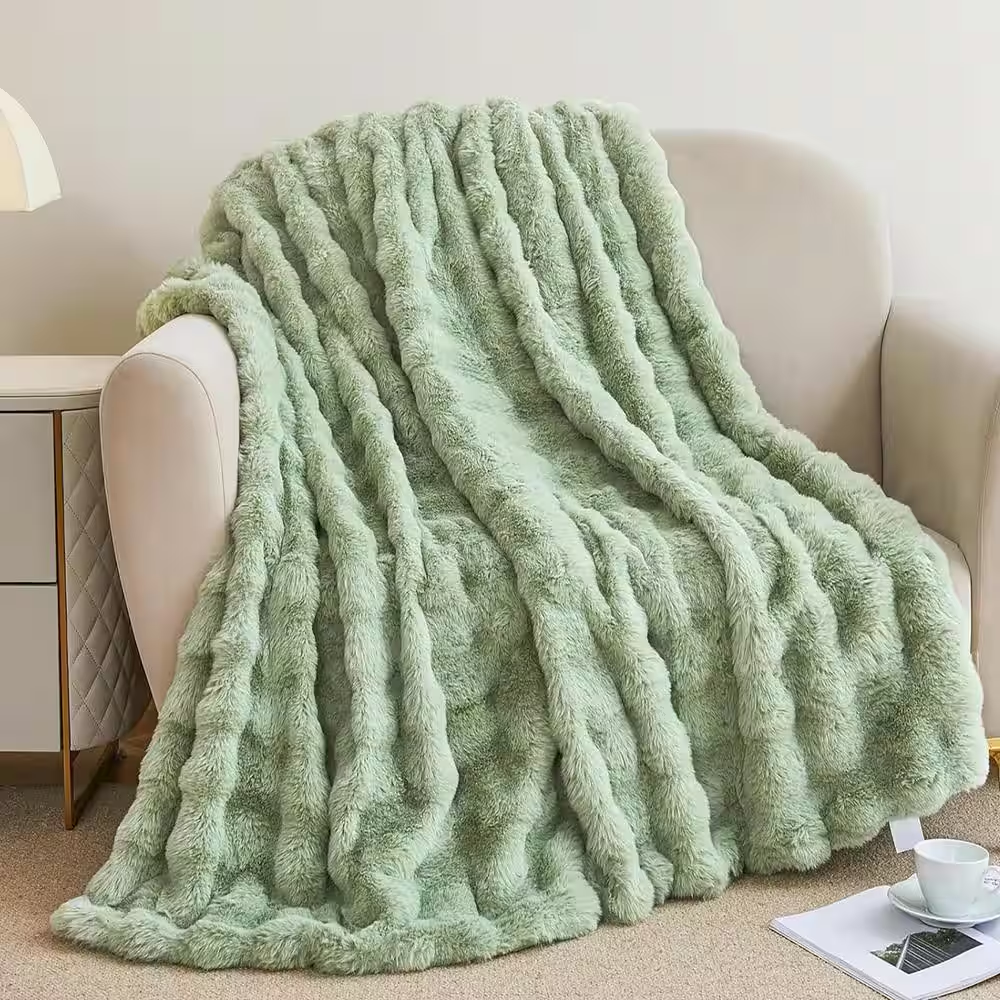
What Is Coral Fleece? A Soft, Warm Essential for Cozy Living
If you’ve ever snuggled into an ultra-soft blanket on a cold night, chances are you’ve experienced coral fleece. Known for its plush texture, excellent warmth, and vibrant colors, coral fleece has become a popular material in the home textile industry — from blankets and throws to bathrobes and pajamas.
But what exactly is coral fleece? Let’s dive into the details.
(more…) -
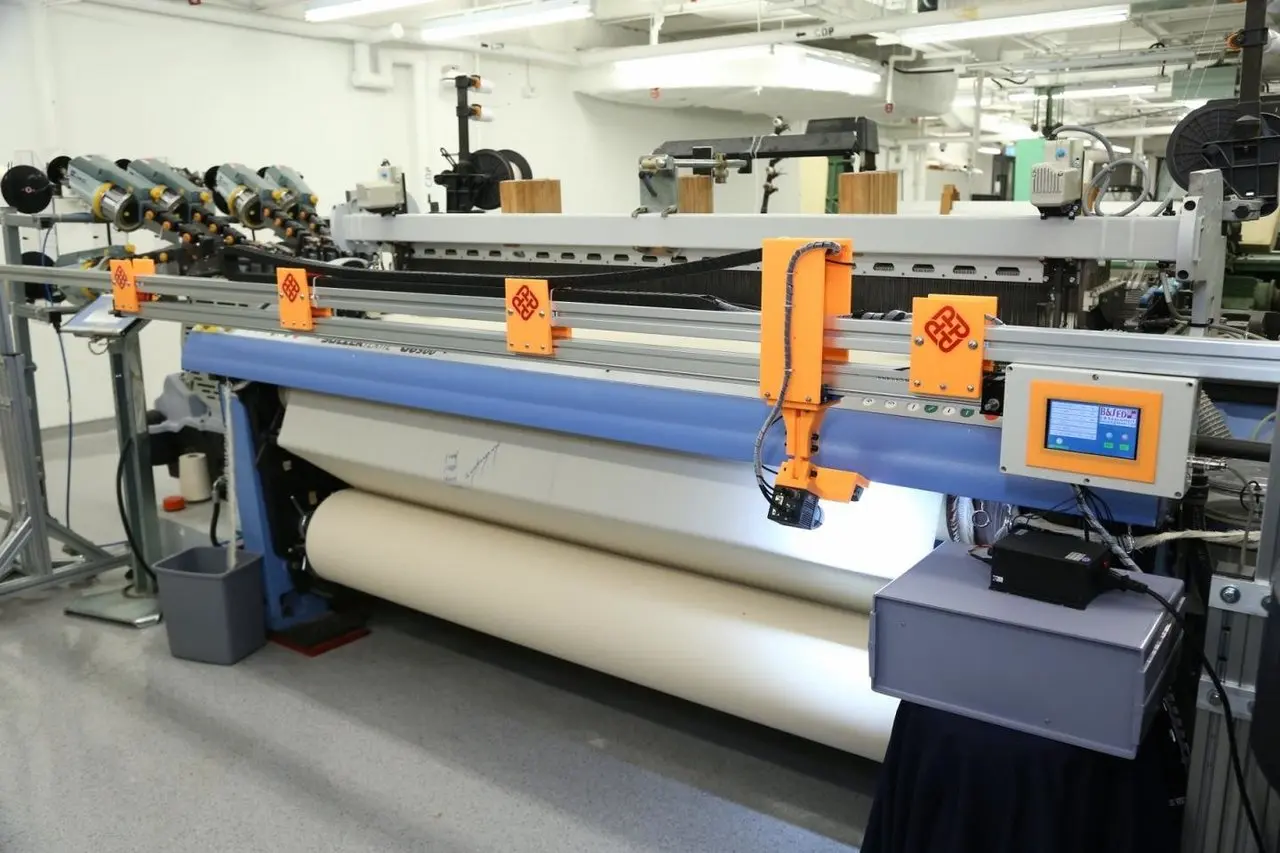
An Overview of Textile Manufacturers in the United States
Textile manufacturing has long been a cornerstone of American industry, shaping the nation’s economic growth and innovation. From historic cotton mills to cutting-edge sustainable fabric production, textile manufacturers in the United States continue to play a vital role in both domestic and global markets.
(more…)
 English
  Deutsch
  Español
  Français
  Português
  日本語
日本語  한국어
한국어  العربية