

Selecting the right bedding set is no longer a purely aesthetic decision—it is a strategic investment in comfort, sleep quality, and overall lifestyle experience. For both residential consumers and hospitality buyers, the ideal bedding solution must align with performance expectations, seasonal adaptability, and long-term value.
This guide outlines a structured approach to help you identify the most suitable bedding set based on material, functionality, and design considerations.
- Understand Your Fabric Options
- Evaluate Thread Count—But Don’t Overvalue It
- Choose Based on Climate and Seasonality
- Focus on Fit and Dimensions
- Prioritize Comfort and Skin Sensitivity
- Align Design with Bedroom Aesthetics
- Consider Maintenance and Lifecycle Costs
- Sustainability and Market Positioning
- Final Decision Framework
- Conclusion
Understand Your Fabric Options
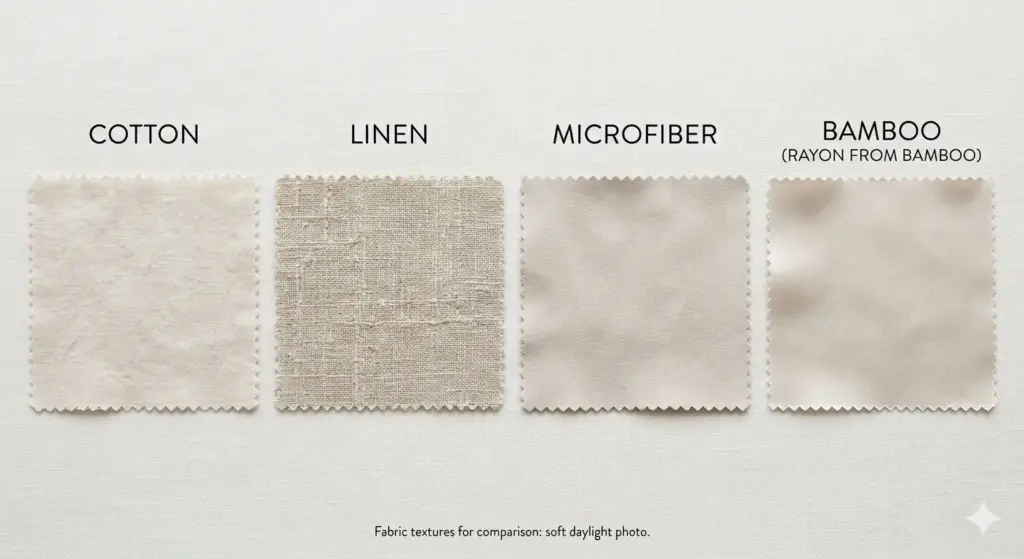
The foundation of any bedding set lies in its material composition. Each fabric category delivers a distinct value proposition:
Cotton
A market-standard choice due to its breathability, softness, and durability. Egyptian and long-staple cotton variants offer premium positioning with enhanced longevity.
Linen
Recognized for superior moisture-wicking and temperature regulation. Linen bedding aligns well with premium and eco-conscious segments but comes at a higher cost.
Microfiber
A cost-efficient, low-maintenance alternative. While less breathable than natural fibers, it offers wrinkle resistance and durability—ideal for high-turnover environments.
Bamboo-derived fabrics
Positioned as a sustainable solution with antimicrobial properties and a soft hand feel, increasingly popular in modern bedding portfolios.
Strategic Insight:
For B2B buyers (e.g., hotels, retailers), cotton-poly blends often provide the best balance between cost efficiency and user experience.
Evaluate Thread Count—But Don’t Overvalue It
Thread count is often misinterpreted as the sole indicator of quality. In reality:
- Optimal range: 200–400 for most cotton bedding
- Higher thread counts may indicate multi-ply yarns, not necessarily better quality
- Fabric weave (percale vs sateen) has equal or greater impact on feel
Percale: Crisp, breathable, ideal for warm climates
Sateen: Smooth, slightly heavier, more luxurious feel
Strategic Insight:
Focus on yarn quality and weave type rather than pursuing inflated thread count claims.
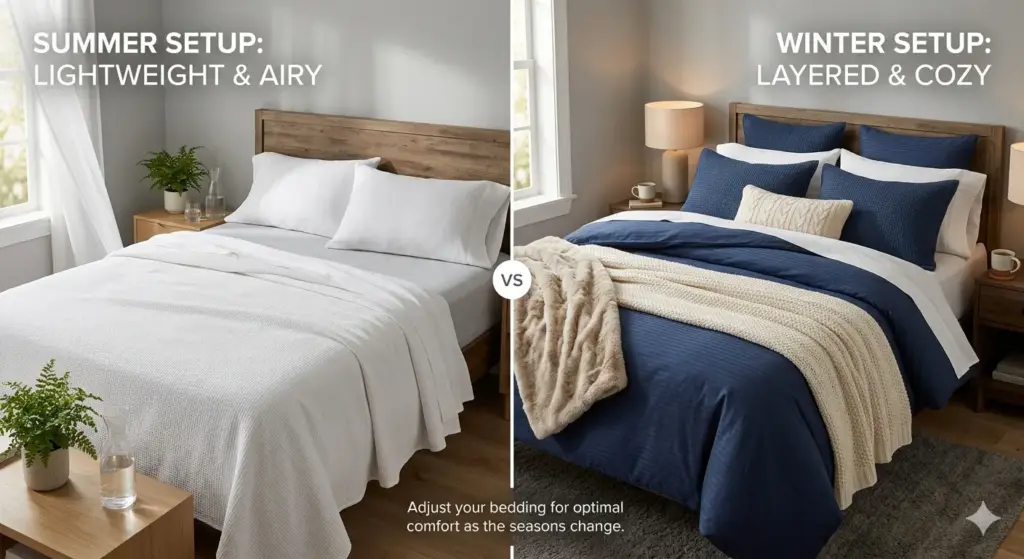
Choose Based on Climate and Seasonality
Bedding performance must align with environmental conditions:
- Warm climates / summer: Lightweight cotton, linen, or bamboo
- Cold climates / winter: Flannel, brushed cotton, or layered bedding systems
- All-season solution: Layered configurations (duvet + cover + sheets)
For global buyers, offering seasonal collections can significantly enhance product line competitiveness.
Focus on Fit and Dimensions
Improper sizing directly impacts customer satisfaction and product usability.
Key considerations:
- Mattress depth (especially for fitted sheets)
- Standard size variations across regions (US, EU, Asia)
- Elastic quality and corner construction
Strategic Insight:
Deep-pocket sheets (≥35 cm) are increasingly preferred in premium segments due to thicker mattresses and toppers.
Prioritize Comfort and Skin Sensitivity
End-user comfort is a key differentiator in bedding selection:
- Hypoallergenic materials reduce risk of irritation
- OEKO-TEX® or similar certifications enhance trust and compliance
- Softness vs durability trade-offs should be clearly positioned
For hospitality clients, easy-care and skin-friendly fabrics are essential for operational efficiency and guest satisfaction.
Align Design with Bedroom Aesthetics
Bedding plays a central role in interior styling:
- Neutral tones: Timeless, scalable across markets
- Bold patterns: Target niche or seasonal demand
- Textured fabrics: Add perceived value without significant cost increase
Strategic Insight:
Offer modular collections (mix-and-match pillowcases, duvet covers) to increase average order value and customization flexibility.
Consider Maintenance and Lifecycle Costs
Beyond initial purchase price, evaluate total cost of ownership:
- Machine washability
- Colorfastness after repeated washing
- Resistance to pilling and shrinkage
For commercial buyers, durability under industrial laundering is a critical KPI.
Sustainability and Market Positioning
Sustainability is becoming a core purchasing driver:
- Organic cotton and recycled materials
- Low-impact dyeing processes
- Transparent supply chain practices
Brands that integrate sustainability into their bedding lines gain a competitive edge in both retail and B2B markets.
Final Decision Framework
To streamline decision-making, prioritize the following hierarchy:
- Material performance (comfort + durability)
- Fit and functional design
- Ease of maintenance
- Aesthetic alignment
- Sustainability credentials
Conclusion
Choosing the perfect bedding set requires a balanced evaluation of comfort, durability, and design, supported by a clear understanding of end-user needs and market positioning.
For businesses, the opportunity lies in delivering high-quality, customizable bedding solutions that align with evolving consumer expectations—particularly in comfort, sustainability, and long-term value.
By adopting a structured selection strategy, you can enhance both customer satisfaction and product competitiveness in the global bedding market.
 English
  Deutsch
  Español
  Français
  Português
  日本語
日本語  한국어
한국어  العربية
Leave a Reply