

A fresh-feeling bed is not a luxury—it is a core component of sleep quality, hygiene standards, and brand perception. Whether for home use or commercial environments such as hotels and serviced apartments, maintaining bed freshness directly impacts comfort, durability, and customer satisfaction. The following best-practice framework outlines how to keep a bed consistently fresh through smart product choices, disciplined maintenance, and proactive hygiene management.
- Start with Breathable, High-Quality Bedding Materials
- Wash Bedding Strategically, Not Excessively
- Air Out the Bed Daily to Release Trapped Moisture
- Use Mattress and Pillow Protectors as a Hygiene Barrier
- Maintain a Clean Bedroom Environment
- Refresh Between Washes with Light Maintenance
- Replace Bedding Components at the Right Time
- Conclusion: Freshness Is a System, Not a Single Action
Start with Breathable, High-Quality Bedding Materials
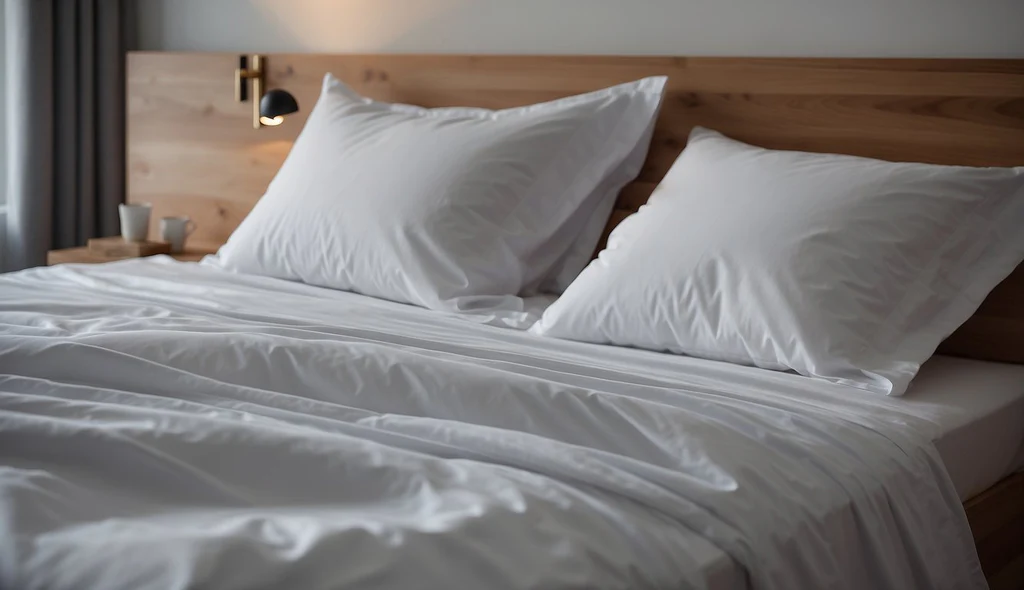
Material selection is the foundation of bed freshness. Breathable fabrics regulate temperature, manage moisture, and reduce odor buildup over time.
Natural fibers such as cotton, bamboo viscose, and TENCEL™ offer superior airflow and moisture absorption compared to synthetic alternatives. For comforters and pillows, well-processed down, down alternative microfiber, or temperature-regulating fills provide balanced insulation without trapping excess heat.
From a procurement perspective, investing in higher-grade materials reduces replacement frequency and improves long-term cost efficiency.
Wash Bedding Strategically, Not Excessively
Cleanliness is essential, but overwashing can shorten product lifespan. Sheets and pillowcases should be washed weekly, while comforter covers can follow a bi-weekly cycle. Comforters, pillows, and mattress toppers typically require washing every 3–6 months, depending on usage intensity.
Use mild detergents, avoid fabric softeners that leave residue, and ensure thorough drying to prevent moisture retention. For commercial operations, standardized laundering protocols help maintain consistent hygiene without compromising fabric integrity.
Air Out the Bed Daily to Release Trapped Moisture
One of the most overlooked practices is daily ventilation. After waking, fold back the comforter for 15–30 minutes to allow body heat and overnight moisture to dissipate.
This simple habit significantly reduces odor development, bacterial growth, and fabric fatigue—especially in humid climates or high-occupancy environments such as hotels.
Use Mattress and Pillow Protectors as a Hygiene Barrier
Protectors act as the first line of defense against sweat, dust mites, and spills. High-quality, breathable protectors preserve the freshness of core bedding components while extending their service life.
From a business standpoint, protectors lower total cost of ownership by reducing the need for frequent deep cleaning or early replacement of mattresses and pillows.
Maintain a Clean Bedroom Environment
A fresh bed cannot exist in an unclean environment. Regular vacuuming, dust control, and air circulation are critical. Replace or clean air filters, manage humidity levels, and avoid clutter that traps dust.
In hospitality settings, room freshness is a direct contributor to guest satisfaction scores and brand reputation.
Refresh Between Washes with Light Maintenance
For interim freshness, lightly shake comforters, rotate pillows, and expose bedding to sunlight when possible. Natural UV light helps reduce odors and inhibits microbial growth.
Avoid heavy use of artificial fragrances; a genuinely fresh bed should feel clean and neutral, not chemically scented.
Replace Bedding Components at the Right Time
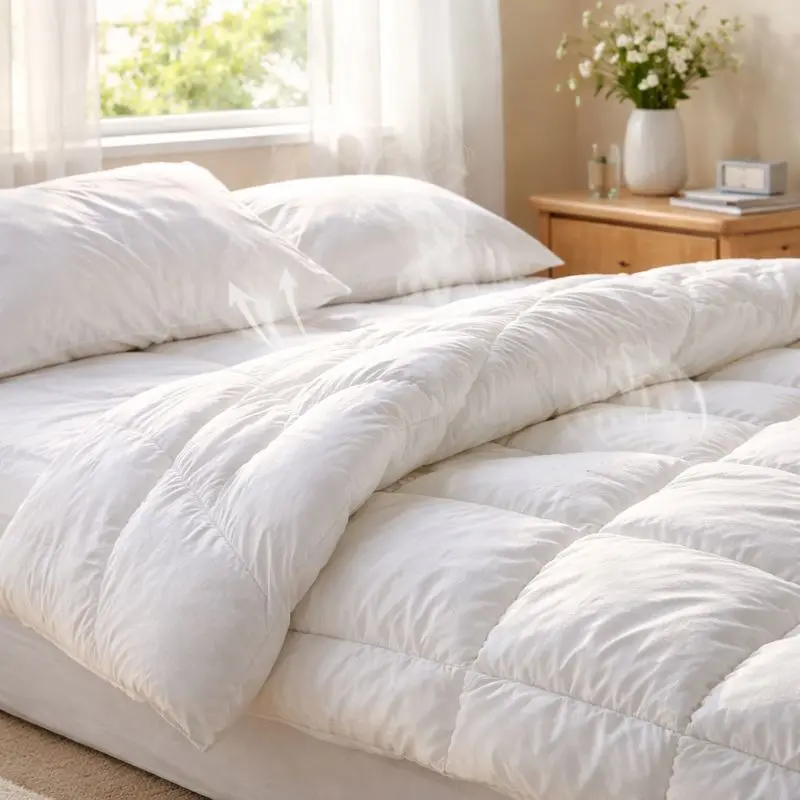
Even with optimal care, bedding has a lifecycle. Pillows typically require replacement every 1–2 years, while comforters and mattress toppers last longer depending on fill quality and usage conditions.
Proactive replacement policies ensure consistent comfort standards and prevent hygiene degradation—an especially critical factor for B2B buyers and hospitality operators.
Conclusion: Freshness Is a System, Not a Single Action
Keeping a bed feeling fresh is the result of a coordinated system: premium materials, disciplined care routines, environmental control, and timely product renewal. For brands and businesses, this approach translates into better sleep outcomes, stronger customer trust, and higher perceived value.
 English
  Deutsch
  Español
  Français
  Português
  日本語
日本語  한국어
한국어  العربية
Leave a Reply